The 5-Second Trick For Marketing Plan
Marketing Companies: Our Promotional Techniques Drive Client Engagement And Boost Sales
Marketing Techniques and Planning: An Advancement Process

Ever seem like you're tossing spaghetti website at the wall, hoping something sticks? That's frequently what occurs when marketing strategies aren't carefully prepared. A distinct advancement process is the foundation of any effective marketing effort. It has to do with more than just creativity; it's about structure and foresight.
Laying the Structure: Research and Analysis
Before diving in, you require to comprehend the landscape. Who are you attempting to reach? What are their needs? What are your competitors doing? Thorough market research is paramount. I remember as soon as, a company introduced an item without understanding their target market's preferences, and it flopped badly. Do not let that be you!
- Market analysis: Understand the market size, development rate, and patterns.
- Consumer profiling: Produce in-depth personas of your ideal customers.
- Competitive analysis: Recognize your competitors, their strengths, and weak points.
Setting Goals: What Do You Wish to Accomplish?
What are your objectives? Increase brand name awareness? Drive sales? Create leads? Your goals must be wise-- Specific, Measurable, Possible, Pertinent, and Time-bound. I imply, what's the point of doing something if you don't know what you're trying to achieve? It resembles setting sail without a location in mind!
Crafting Your Method: The Roadmap to Success
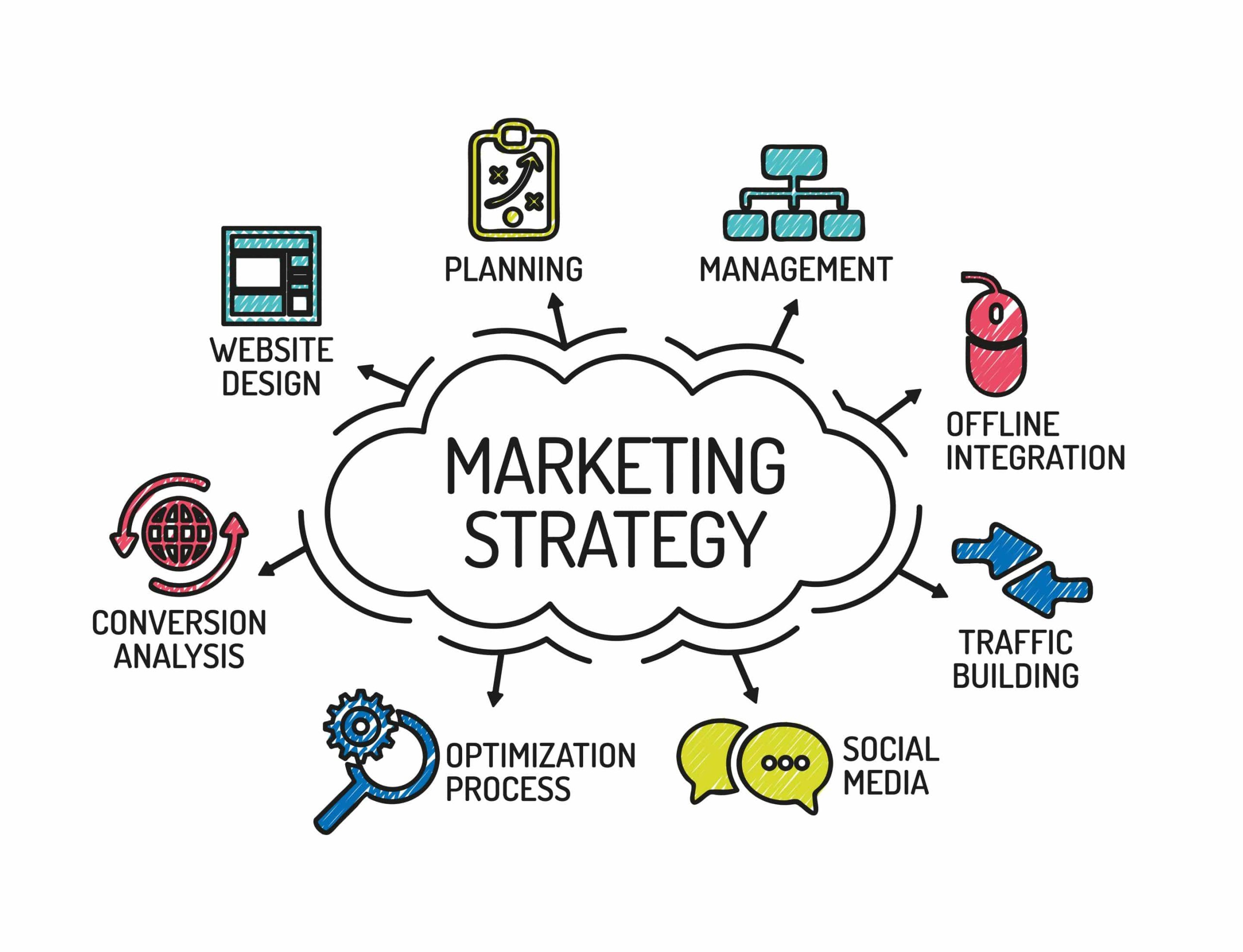
This is where the magic happens. Your method details how you'll attain your goals. Will you focus on content marketing, social networks, email marketing, or a mix? What's your unique selling proposal? The key is to differentiate yourself and provide something valuable to your target audience. Is your strategy a well-paved roadway, or a bumpy track filled with holes? This will identify your success!
Here are some common marketing techniques:
- Material Marketing: Producing and distributing important material to draw in and engage your target audience.
- Social Media Marketing: Using social networks platforms to construct brand awareness and get in touch with customers.
- Email Marketing: Sending targeted emails to support leads and drive sales.
Implementation and Execution: Putting Plans into Action
A brilliant strategy is ineffective without efficient execution. Assign responsibilities, set timelines, and allocate resources. Do not simply strategy; do! This action can be the most difficult, as it needs coordination, communication, and devotion.
Monitoring and Assessment: Measuring Your Results
Are your efforts settling? Track your crucial performance indications (KPIs) and examine your outcomes. What's working? What's not? Be prepared to adjust your technique based on your findings. This iterative procedure is important for constant enhancement. It resembles inspecting the compass on a long journey to guarantee you're still headed in the ideal direction. Are you?
In the ever-evolving world of marketing, a robust planning advancement procedure is not just an advantage; it's a requirement. By concentrating on research, clear goals, and adaptive methods, you can navigate the complexities and achieve long lasting success.
Target Market: Finding Your Marketing Sugary Food Spot
Ever feel like you're yelling into the space? That's what occurs when your marketing misses its mark. It's not about reaching everybody; it has to do with connecting with the right people. Consider it like this: attempting to offer snowboards in the Sahara. You may get a couple of curious observers, but you're not exactly going to corner the market. Why expend the energy? Instead, concentrate on where the snow falls and the snowboarders are already collecting. That focus is your target market.
Why Section? Avoiding the Snowboard-in-the-Desert Circumstance
Segmentation is the art of dividing your potential customer base into smaller, more manageable groups based on shared qualities. Picture a Venn diagram-- each circle represents a sector, and the overlap is where the magic occurs, where the most responsive clients reside. It's inadequate to understand you're selling to "females." Are they Gen Z fashionistas or soccer mothers in their 40s with a penchant for organic groceries? The more granular you get, the more efficient your messaging becomes. Rather of one-size-fits-all, you're crafting bespoke experiences. Think about it as tailoring a suit versus buying off the rack.
Among the most significant stumbles? Assuming your perfect client is similar to you. As online marketers, we fall prey to this all the time. We have actually all heard it "I like it so they need to like it". News Flash. That's ego talking, not information. Your personal preferences are unimportant. Let the market speak. Examine the information. Listen to what your existing clients are stating (and not stating) Discover the commonalities, and after that build your sectors around those findings. This is the way to prevent a pricey misfire.
Tools of the Trade: Unveiling Your Ideal Client
So, how do you really do this? Start with data. Lots of it. Analytics platforms, consumer studies, social media insights-- these are your treasure maps. Look for patterns. Exist age demographics that consistently convert? Geographical locations where your item resonates? Psychographic characteristics that define your most faithful clients?
- Demographics: Age, gender, earnings, education, profession
- Geographics: Location, environment, population density
- Psychographics: Way of life, worths, interests, attitudes
- Behavioral: Purchase history, product use, brand name loyalty
Don't hesitate to get imaginative. In some cases, the most valuable insights come from unexpected places. Consider utilizing a strategy called "Jobs to Be Done." Instead of focusing on the functions of your item, think about what "task" your customer is hiring it to do. Are they purchasing your software to save time, reduce stress, or impress their boss? Understanding the underlying motivation can unlock brand-new sections you never considered. And remember, this isn't a one-time exercise. The marketplace progresses, and so ought to your understanding of it. Frequently review your segmentation technique to guarantee it remains relevant and effective, and that your marketing dollars are being invested sensibly.
Marketing Channels and Promotional Activities: A Deep Dive
Ever feel like your message vanishes into the space? It's a common quandary. The marketing landscape is a sprawling, ever-shifting surface. Choosing the right marketing channels and advertising activities is not just about visibility; it has to do with resonance. Consider it as crafting a perfectly tuned instrument-- each string (channel) must vibrate in harmony to create an engaging tune (project) What takes place when a string snaps, or even worse, is never even strung?
Navigating the Channel Maze
Choosing the appropriate channels is a tactical important. Are you pursuing brand awareness, lead generation, or direct sales? The response determines your course. To show, consider the tale of two projects: One, a diligently crafted social media blitz that yielded no conversions, and the other, a targeted e-mail series that resulted in a surge of excited consumers. The distinction? Alignment. The email project spoke straight to a pre-qualified audience currently thinking about the offering.
Marketing Activities: More Than Simply Sound
Advertising activities are the lifeline of any marketing technique. Sales promotions, public relations, and content marketing are all practical options. But what occurs when your content marketing efforts are ignored? This often comes from an absence of value. Are you providing authentic insights and solutions, or just transmitting self-serving advertisements? The key is to end up being a trusted consultant, not a relentless peddler.
- Content Marketing: Provide worth through informative and appealing content.
- Social Network Marketing: Engage with your audience and develop a community.
- Email Marketing: Nurture leads and drive conversions.
- Browse Engine Optimization (SEO): Improve your website's visibility in search results.
Common Risks and Expert Insights
Among the greatest problems businesses face is stopping working to adapt to market changes. Imagine launching an item with a catchy motto, just to discover that a major cultural shift renders it tone-deaf and offensive. Staying nimble and responsive is vital. Routine analysis of campaign performance is also vital. Are your efforts yielding the desired results? If not, do not be afraid to pivot. The only constant in marketing is change.
Another regular oversight is overlooking client segmentation. Attempting to appeal to everybody is similar to screaming into the wind. Determine your perfect customer and tailor your messaging appropriately. This needs a deep understanding of their requirements, desires, and behaviors. By focusing your efforts on a particular target market, you can maximize your impact and decrease wasted resources.
Ultimately, effective marketing hinges on a blend of strategic planning, creative execution, and steady adjustment. By comprehending the nuances of various marketing channels and advertising activities, you can craft a project that resonates with your target audience and drives tangible results.
Marketing Research Study and Competitive Analysis
Ever feel like you're wandering in the dark, looking for a light switch that just won't flip on? That's how releasing a marketing project without solid marketing research feels. It resembles baking a cake without a dish-- you might wind up with something edible, but opportunities are it won't be a masterpiece. How do you illuminate your path?
Unveiling the Landscape: Market Research Strategies
Marketing research isn't practically collecting information; it has to do with understanding the really heartbeat of your target market. Think about it as ending up being an investigator, piecing together hints to fix the mystery of what your potential clients really prefer. Are they craving convenience? Sustainability? Or possibly a touch of nostalgia? You require to understand. One typically neglected element is psychographic division. It's insufficient to understand their age or income; you require to understand their worths, lifestyle, and goals. What makes them tick?
One insider idea? Don't rely entirely on studies. Observe real-world habits. For example, if introducing a brand-new line of environmentally friendly items, spend time in farmers' markets or natural supermarket. Speak with people, observe their purchasing habits, and get a feel for their real concerns.
Sizing Up the Competition: Competitive Analysis
Now, let's speak about your competitors. Neglecting them resembles going into a boxing ring with your eyes closed. A competitive analysis involves recognizing your rivals and examining their methods to identify their strengths and weak points relative to your own. It's not about copying them; it has to do with identifying chances to distinguish yourself and sculpt out your niche. Have you ever noticed how some coffeehouse grow ideal beside a Starbucks? It's since they've determined a specific market section that Starbucks isn't completely serving, like a preference for locally sourced beans or a comfortable, intimate environment.
The biggest pitfall with competitive analysis isn't the lack of information however rather a failure to act upon it. All the spreadsheets and graphs on the planet won't assist if you don't translate those insights into concrete actions. And remember the value of looking beyond direct competitors. Think about indirect competitors. Who else is contending for your target audience's attention and budget plan?
- Identify Key Rivals: Who are they, and what are their market shares?
- Analyze Their Marketing Methods: What channels are they utilizing? What's their messaging?
- Examine Their Strengths and Weaknesses: What are they proficient at, and where are they lacking?
- Discover Opportunities for Distinction: How can you stick out from the crowd?
Remember, the marketing landscape is ever-evolving. Constant monitoring and adjustment are important for long-lasting success. By welcoming both marketing research and competitive analysis, you can browse the intricacies of the marketplace and position yourself for sustained development.